The window usually gets the first look. A bright lake, soft curtains and a neatly arranged chair can make a room seem easy to understand. Yet choosing a waterfront suite involves details beyond the frame: where you sleep, how you move around luggage and what happens when the room lights come on after dark. Start with the photograph, then ask what it cannot show.
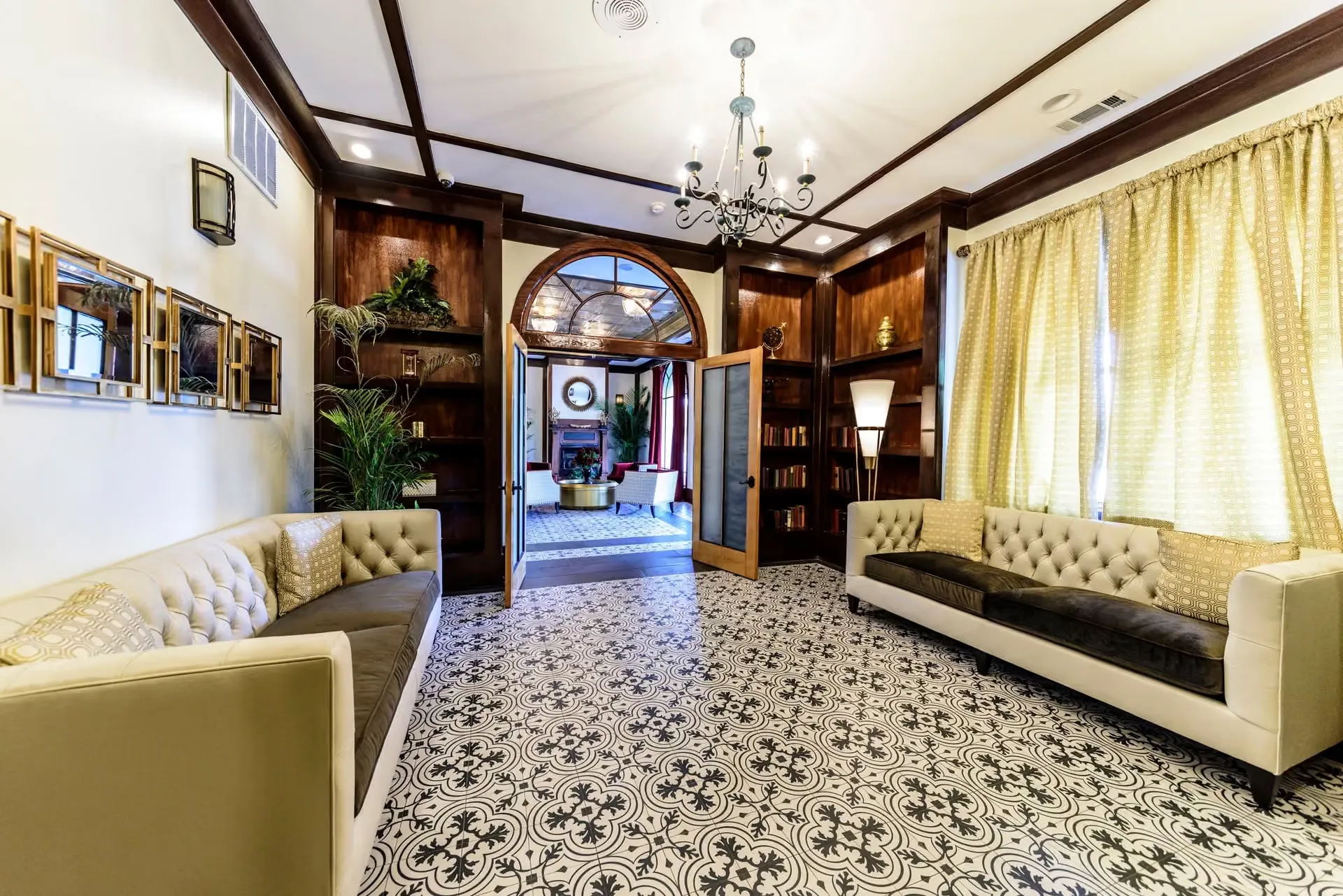
Look from the bed as well
A camera near the window may show a broad outlook that is less visible from the bed or sitting area. Ask which room category the photograph represents and whether its position is typical. A description may refer to the direction of the room without promising an uninterrupted panorama. Clarify the wording that matters to you before paying for an upgrade.
Look for the route between the door, bed and bathroom. A spacious photograph may have been taken with luggage out of sight, while your stay includes coats, shoes and two open cases. If movement or access matters, request specific information about dimensions and thresholds. A general promise of comfort cannot answer an individual practical requirement.
Read the photograph in stages
- Identify the advertised room category and visible features.
- List the details that are outside the camera frame.
- Ask which answers apply to the room you can actually reserve.
For an autumn stay in 2026, consider the room after sunset too. Curtains, bedside lighting and a useful reading chair may matter more during a long indoor evening. Ask whether window coverings provide the privacy you want when lamps are on. Do not infer that from a daylight image in which the glass mainly reflects the landscape.
Compare needs rather than adjectives
Words such as luxury and serenity describe an atmosphere. Turn them into questions you can use: where is the room located, what separates the sitting area and how is lighting controlled? The table helps compare answers without treating any feature as confirmed. It can also reveal when two room categories differ in ways that have little value for your own stay.
| Description | Question to ask |
|---|---|
| Lake outlook | From which part of the room is it visible? |
| Separate sitting area | Is there a door or an open arrangement? |
| Quiet setting | What spaces adjoin this room category? |
- Check where coats and damp outdoor clothing can be placed.
- Ask about reachable sockets and individual reading lights.
- Confirm any feature that is essential to your comfort.
Sound deserves its own conversation. A room can face peaceful water while sitting near an internal lift, service door or entertainment space. Ask about location rather than requesting an impossible guarantee of silence. If companions keep different hours, a closing door between areas may be more useful than extra floor space that remains completely open.
Keep the booking record clear
Save the room name, the features included in your rate and any answers that influenced your choice. Distinguish a request from a confirmed inclusion. This avoids arriving with an expectation built from a photograph of another category. The Lakeland outing guide adds questions about the transition from an outdoor day back to the room.
A waterfront suite should support the way you want to spend time, whether that means an early night or a quiet pause before dinner. Our evening planning article considers companions with different preferences. Choosing the room and choosing the evening together can prevent an attractive upgrade from solving the wrong problem.
Author’s opinion
I would rather receive a plain answer about curtains and room position than another flattering image of the lake. A photograph is useful inspiration, but the ordinary details decide whether I can settle in. The strongest choice is the room whose confirmed features match the stay I have in mind, even when its description sounds less grand.
By Jessaminea Fern Norcross. Publisher: Merlinlake Window Detail Review.